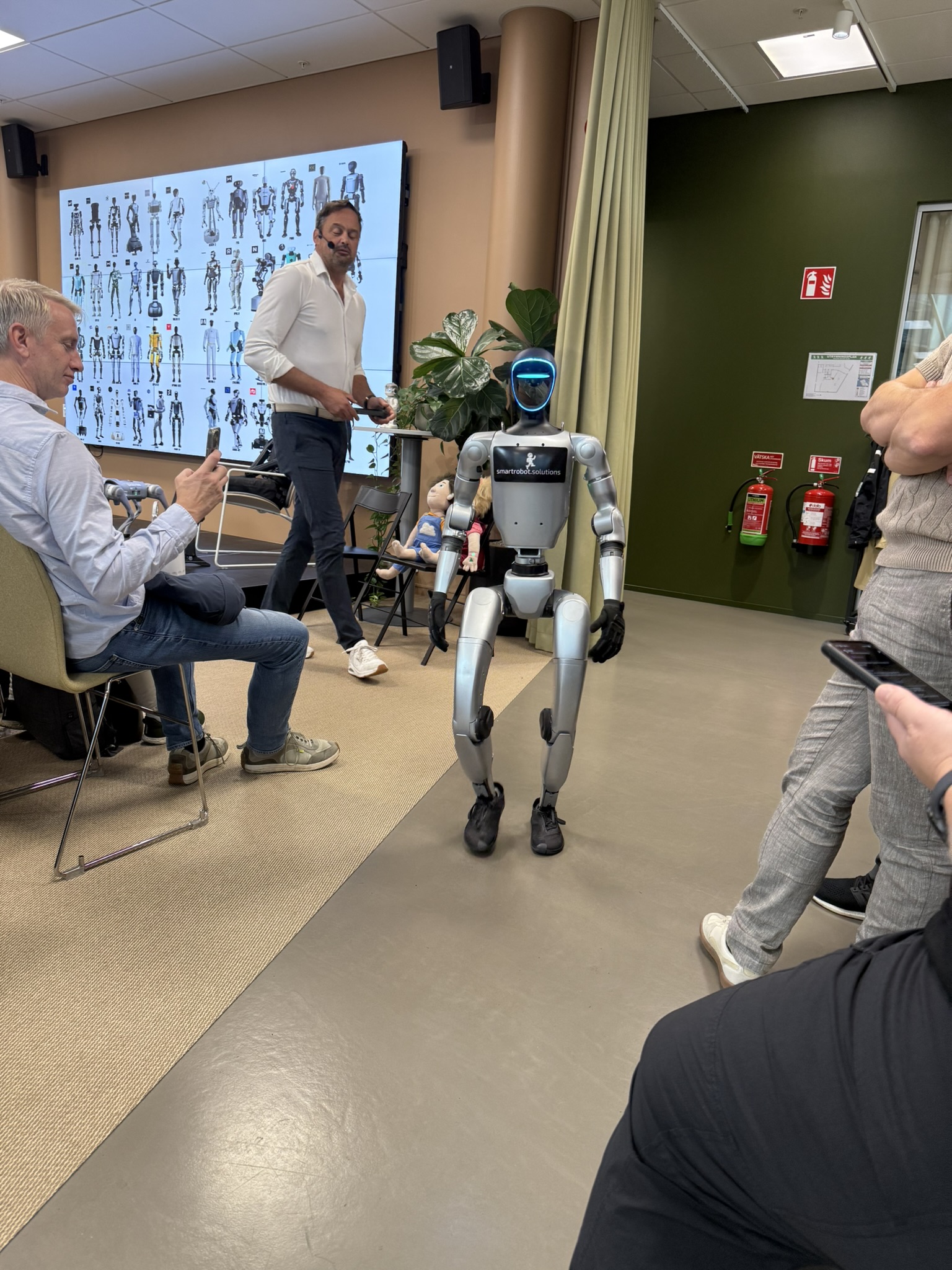
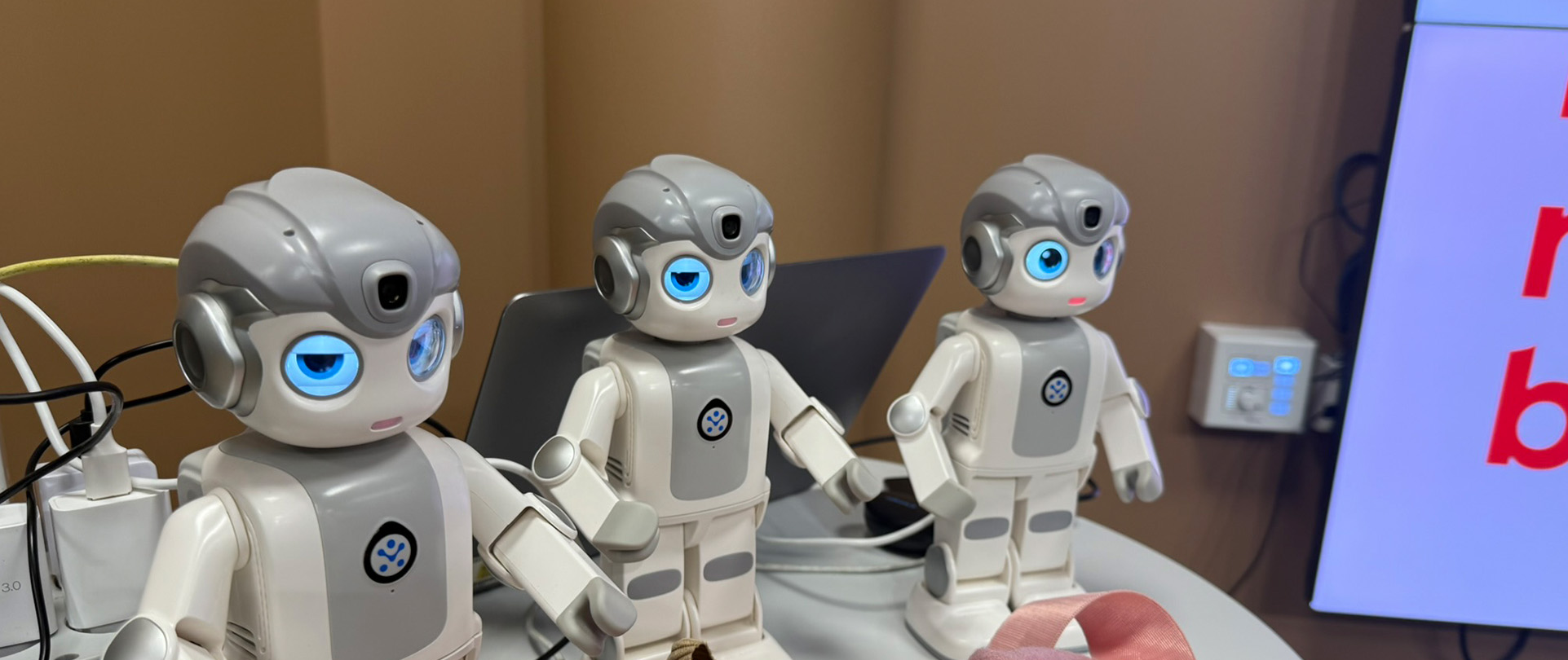
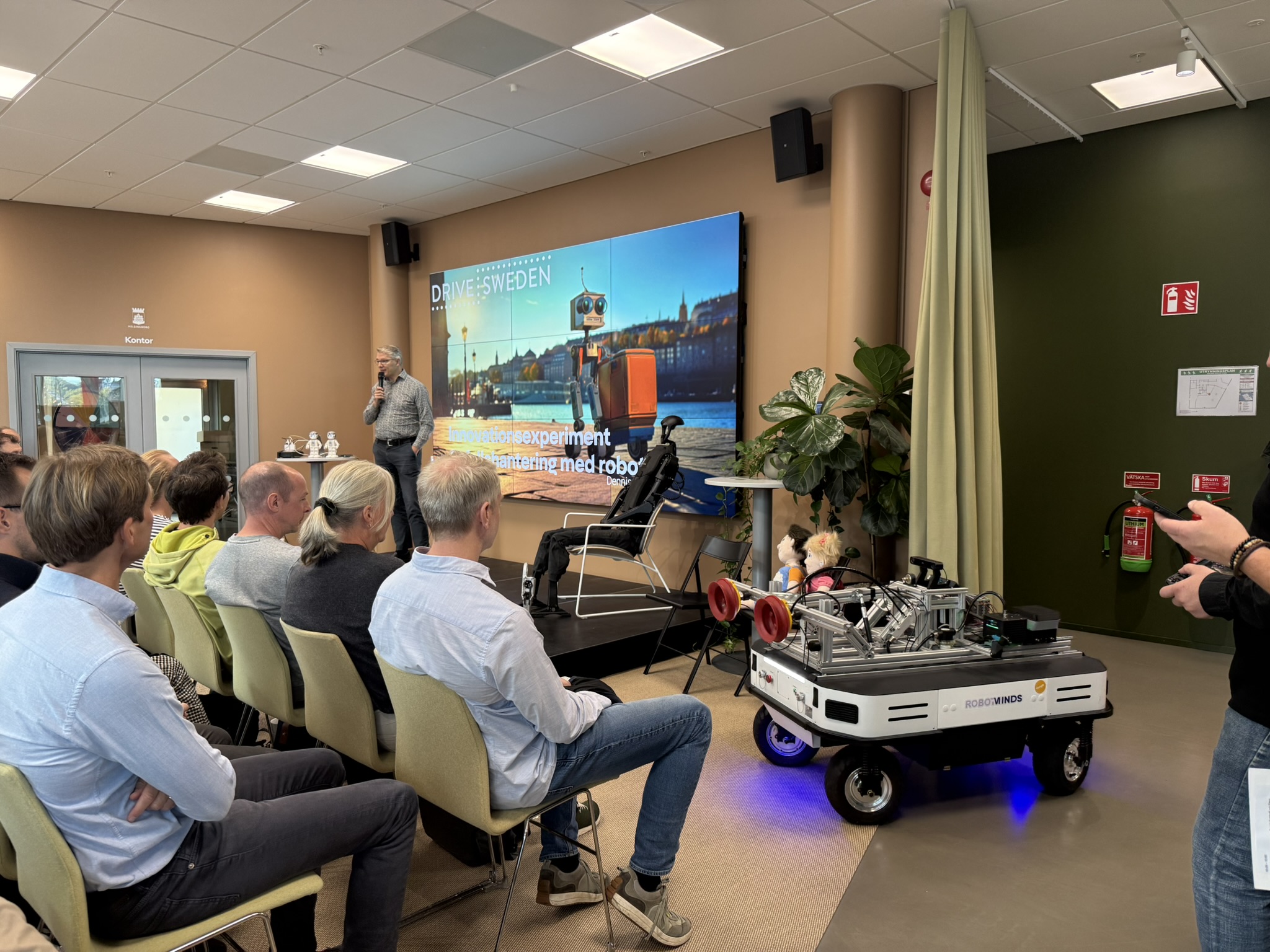
How can we embrace new technology to create a better society? This was the central theme of Robot Rally, held at Parken in Helsingborg. The event brought together participants from the public sector, business community, academia, and schools – all eager to explore the present and future role of robots in society.
Popular culture has long shaped our perception of robots – as everything from cold war machines to loyal companions. At Robot Rally, visitors experienced firsthand how close fiction and reality have become, with robots now emerging as helpers in healthcare, partners in education, and drivers of sustainable cities.
Transforming healthcare and elderly care
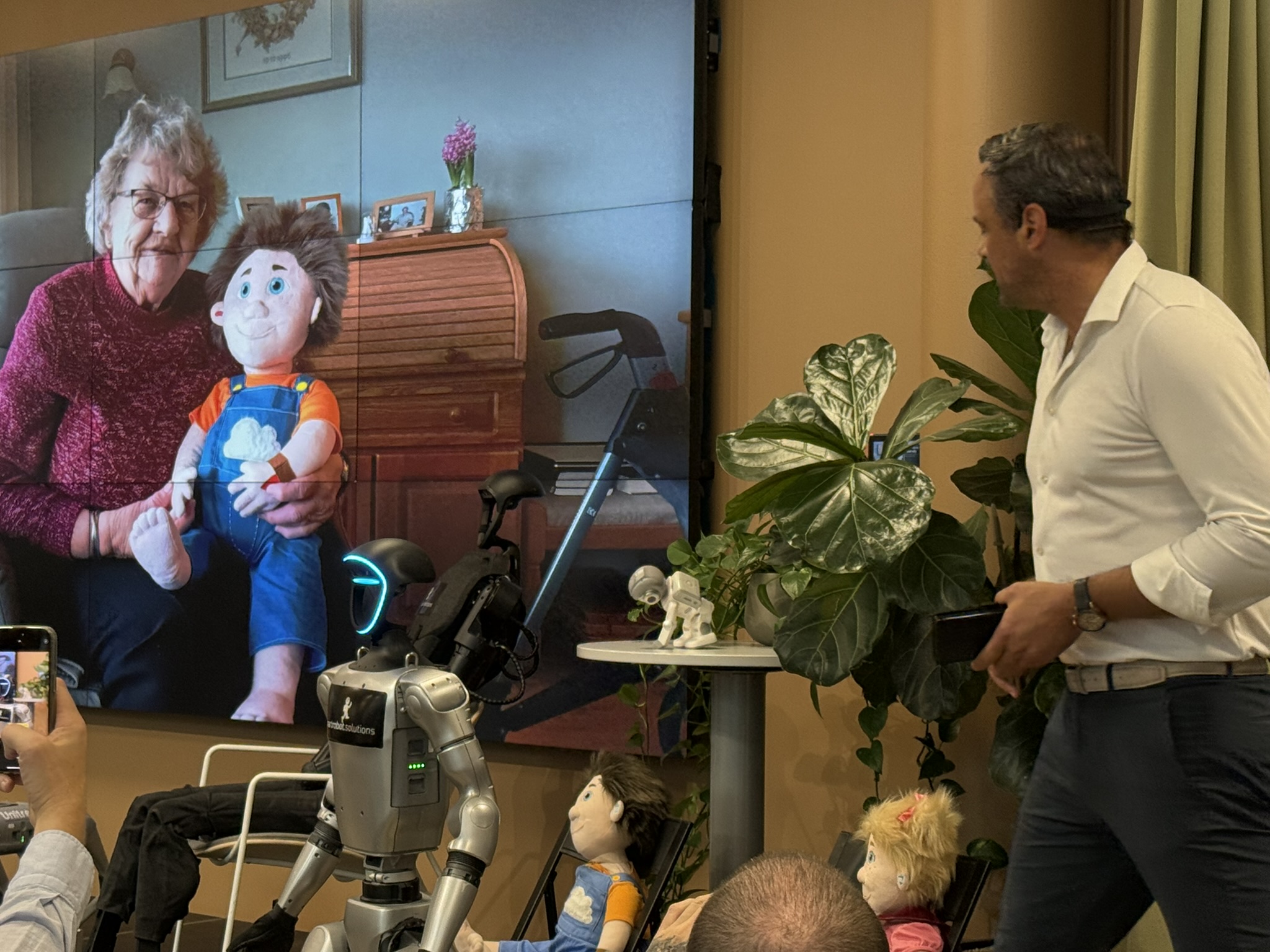
One major topic was how robots can support healthcare. Examples included small assistive robots designed to remind elderly people to take medicine, go to the bathroom, or simply provide companionship. Beyond reducing the workload for healthcare staff, studies suggest these robots can foster emotional connections, increasing safety and wellbeing for vulnerable groups.
We cannot meet the demographic challenges of the future with human resources alone. We need smart solutions. Robots can help free up time for staff, while giving elderly people a sense of independence and security. Robots are not here to replace humans – they are here to enable humans to be more human, says Richard Kuijpers from Smartrobotsolutions.
Humans and their robotic companions
Samantha Stedtler from LUCS Robotics Group highlighted how people interact with robots in everyday life. While technical glitches and misunderstandings of social cues are common, research shows that people often respond with patience and adaptation – a sign of our willingness to integrate robots into our routines.
Robotics for smarter cities
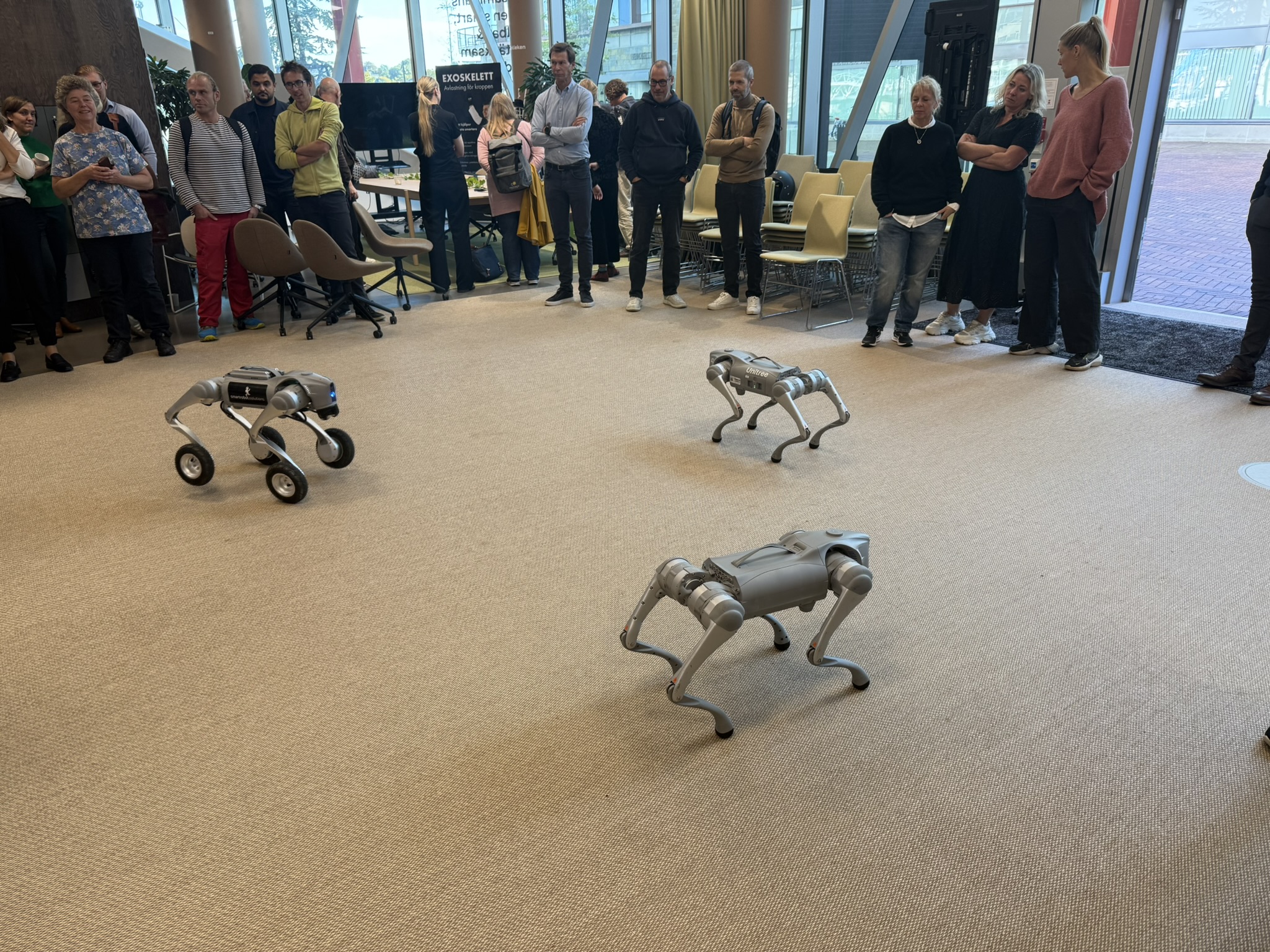
Representatives from the City of Helsingborg presented pilot projects with autonomous waste collection and micro-deliveries. The vision is to reduce heavy traffic in residential areas by replacing large vehicles with smaller, more agile robotic units. For citizens, this could mean safer neighborhoods, improved access to commerce, and new ways to share and circulate local resources.
The future is already here
As Kuijpers concluded, the question is no longer if, and hardly even when – but how. The future of robotics is already unfolding around us. All it takes is time, patience, and continued innovation.